Therapy for Anxiety/Panic Attacks in Newcastle
When the feeling of worry or dread is constantly present, therapy for managing anxiety and coping with panic attacks can help. At Reflexions, our specialised anxiety counselling in Newcastle and online, offers you a safe space to navigate feelings of worry, fear and unease, and to work towards a brighter outlook.
When you are suffering with anxiety or panic attacks it is normal to have both physical and emotional sensations associated with worry or nerves. Anxiety counselling can support you to resolve these issues, and the wider difficulties this causes in relationships, at work, and in negative mood.
Using established therapeutic techniques, counselling for anxiety can help you to overcome anxiety, avoidant behaviour, worry, GAD (Generalised Anxiety Disorder), stress and panic attacks,
Whilst it is normal to experience feelings of anxiety, particularly around “stressy” situations such as an exam, learning to drive, a new job, or moving home, some of us find these feelings more difficult to manage.
In these situations, you can start to feel overwhelmed, leading to disruptions in your daily life. For example, being overly fearful, or avoiding settings or objects that cause you feelings of anxiety, or physically in symptoms of panic, sweating, shortness of breath or dizziness.
When these symptoms are recurrent and upsetting, it may be time to seek support through counselling to resolve the cause of your panic attacks, anxiety and the behaviour and thoughts that maintain them.
Please get in touch and and arrange to talk to one of our anxiety therapists about anxiety counselling and counselling for panic attacks in Newcastle /online- Phone 01915805080 or email.
Anxiety is a natural and usually short-lived reaction to a stressful situation, associated with feelings of worry, nervousness or apprehension. APS
Anxiety & Panic Attack -Table of Contents
Anxiety Symptoms
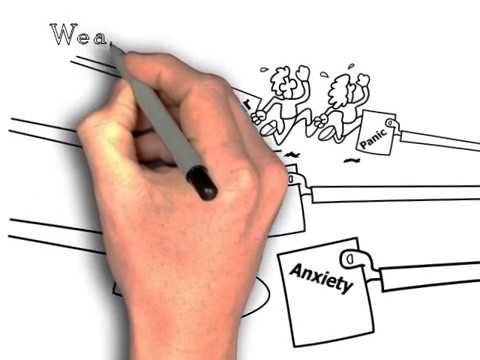
Understanding Anxiety Disorders
One in 75 people worldwide experience panic attacks at one point in their lives.
Distinct from anxiety the symptoms of panic attacks are intense feelings of terror, chest or abdominal pains or distress, heart palpitations and shortness of breath. During the episode, people can often feel out of control, but may also feel detached, whilst others feel nausea. Panic attacks, although they can be very restricting or debilitating to individuals, are not in themselves dangerous. They are usually at their height after 10 minutes, then subsiding. However, some last longer or one can join onto the next making it difficult to identify when one ends and the other starts.
Common symptoms of anxiety can be seen both physically or psychologically:
Physical Symptoms of Anxiety
- Increased or irregular pulse
- Quickened breathing
- Dry mouth
- Sweating
- Joint aches and tension
- Tension headaches
- Chest pain (associated with panic attack)
- Feeling unwell or stomach upset
- Unusual fatigue
- Restlessness
- Difficulty regulating temperature – too hot/cold
- Become poorly more often as immune system is under stress.
- Eating more/less
Psychological Symptoms of Anxiety
- Feeling tense or scared/nerves
- Obsessive worries
- Racing mind
- Feeling keyed up/edgy
- Feeling overly self-aware (“in your head”)
- Feelings of being judged by others
- Our situation feels “weird” or unreal (derealisation)
- Feelings of detachment from self
- Being irritable
- Difficulty in focusing on tasks
- Avoidance of activities/tasks
- Difficulties in sleeping
Whether you think you can or whether you think you can’t, you’re right.
Henry Ford
Here at Reflexions, we have worked with a great many anxious clients and understand the debilitating impact anxiety disorders can have on individuals’ lives, affecting their overall well-being and quality of life. We firmly believe in the power of professional guidance, compassionate support, and evidence-based strategies to alleviate anxiety symptoms and help individuals regain control over their lives.
Strategies for Managing Panic Attacks and Anxiety:
Anxiety disorders are pervasive and can manifest in various forms, such as generalised anxiety disorder (GAD), panic disorder, social anxiety disorder, and specific phobias. These disorders often involve excessive worry, fear, and a sense of unease that can interfere with daily activities and impair one’s ability to function optimally. Anxiety disorders can be triggered by a range of factors, including genetic predispositions, environmental stressors, traumatic experiences, and imbalances in brain chemistry.
It is important to get treatment: the sooner the treatment commences, the quicker the symptoms will decrease or stop. However, even long-term, symptoms do improve with treatment. Anxiety and panic can be treated through pharmacology (drugs), and/or anxiety counselling. Research indicates that counselling or psychotherapy is very effective, particularly when incorporating CBT (Cognitive Behavioural Therapy) techniques.
Panic attacks are intense episodes of fear and discomfort that can be both physically and emotionally distressing. If you or someone you know experiences panic attacks, it is crucial to understand that there are effective strategies to manage and alleviate these episodes.
6 Techniques to Manage Anxiety
Try one of these straight forward techniques to manage anxiety:
- Deep Breathing Exercises:
Deep breathing is a powerful technique that helps regulate the body’s physiological response to stress. By focusing on slow, deep breaths, individuals can activate the body’s relaxation response, reducing the intensity of symptoms. How to do this technique: Counting slowly to ten slowly, breathing in on odd numbers and out on even. Alternatively, this link is quite effective if you enjoy a music prompt.
- Progressive Muscle Relaxation (PMR):
This technique involves systematically tensing and releasing muscle groups to promote relaxation and reduce muscle tension associated with anxiety. By consciously relaxing each muscle group, individuals can achieve a sense of calm and alleviate anxious feelings. How to do this technique: This short article describes how to do PMR.
- Cognitive Restructuring:
Cognitive restructuring is a core component of CBT and involves identifying and challenging negative thought patterns that contribute to anxiety. By replacing irrational thoughts with more realistic and positive ones, individuals can reduce anxiety levels and prevent panic. How to do this technique: This short article describes “reframing” a quick but effective cognitive technique.
- Mindfulness Meditation:
Mindfulness practice cultivates awareness of the present moment without judgment. Regular meditation exercises can help individuals develop a sense of calm, increase self-acceptance, and enhance their ability to coping ability. How to do this technique: “Medito” (free) or “Headspace” (paid) are easy to use phone apps that we often suggest clients try.
Lifestyle Modification: Adopting a healthy lifestyle plays a crucial role in managing anxiety and panic attacks. How to do this technique: Regular physical exercise, sufficient sleep, a balanced diet, and minimising the use of stimulants like caffeine and nicotine can significantly reduce anxiety symptoms.
- Seek Social Support:
Connecting with supportive friends, family, or joining support groups can provide invaluable emotional support and help individuals feel less isolated. Sharing experiences with others who have experienced or are experiencing similar challenges can foster a sense of community and empowerment.
Does Anxiety Counselling Work?
Anxiety is one of the most frequent reasons for choosing to see a counsellor or a psychotherapist. Anxiety counselling provides you with a safe and non-judgmental space to explore the underlying causes of your anxiety and to help you to develop effective coping strategies.
Through counselling, you gain valuable insights into your thoughts, emotions, and behavioural patterns, enabling you to challenge negative beliefs, to develop healthier coping mechanisms, and achieve long-term emotional well-being. Your therapist or anxiety counsellor will work with you to understand your feelings and develop ways of doing (behavioural therapy) and thinking, (cognitive therapy) which you can employ to react differently to situations. Anxiety Counselling will help you to:
- Identify trigger points and/or situations making you stressed.
- Use strategies to combat you anxious feelings.
- Explore your feelings, thoughts and behaviours which contribute to your high anxiety.
- Learn the techniques to combat you anxious emotions that will help you now and in the future.
Contemplating Anxiety:
You gain strength, courage, and confidence by each experience in which you really stop to look fear in the face. You are able to say to yourself, “I have lived through this horror. I can take the next thing that comes along.” You must do the thing you think you cannot do.
Eleanor Roosevelt
The Next Step for Anxiety & Panic Attack Counselling
At Reflexions Counselling and Psychotherapy we will work with you to help you to manage your anxiety, panic attacks or social anxiety. Group counselling sessions for social anxiety are available when group size permits. Taking the next step is straight forward: if you are struggling with your anxiety or panic attacks, contact us and arrange to talk to one of our therapists about anxiety counselling in Newcastle & online- Phone 01915805080 or email.

Resources & Self Help for Anxiety
Self-help – we have added a GAD 7 assessment questionnaire in our help section which you may find useful. It is a quick multi-choice test which provides an indication of severity of symptoms
- National Institute of Mental Health (NIMH): The NIMH is a leading U.S. government agency dedicated to research on mental health disorders. Their website offers comprehensive information on anxiety disorders, treatment options, and current research advancements. Visit their Anxiety Disorders page for valuable insights: https://www.nimh.nih.gov/health/topics/anxiety-disorders/index.shtml
- Anxiety and Depression Association of America (ADAA): The ADAA is a reputable nonprofit organization focused on raising awareness and providing resources for anxiety and depression. Their website offers educational materials, self-help tools, and a directory of mental health professionals. Explore their “Panic Disorder” section for reliable information.
- Mayo Clinic: The Mayo Clinic is a renowned medical institution known for its expertise in various health conditions. Their website features an extensive section dedicated to anxiety disorders, including panic attacks. The resources provide in-depth information on symptoms, causes, diagnosis, and treatment options: https://www.mayoclinic.org/diseases-conditions/panic-attacks/symptoms-causes/syc-20376021
- Anxiety Canada: Anxiety Canada is a nonprofit that offers evidence-based resources and tools for managing anxiety disorders. Their website provides educational materials, self-help guides, and online courses. Access their “About Anxiety” section for comprehensive information: https://www.anxietycanada.com/
- Verywell Mind: Verywell Mind is a trusted online resource that offers expert-reviewed articles on mental health topics. Their Anxiety Disorders section provides accessible information, practical tips, and resources for coping with anxiety and panic attacks: https://www.verywellmind.com/anxiety-4157299
- PsychCentral: PsychCentral is an authoritative mental health website that features articles, news, and resources written and reviewed by mental health professionals. Their Anxiety section covers a wide range of anxiety-related topics, including panic disorder, with valuable insights and coping strategies: https://psychcentral.com/anxiety/
- Kennedy, H., Overcoming anxiety – a self help guide, Robinson
Trickett, S., Coping successfully with panic attacks, Sheldon Press - Anxiety UK
UK Charity which provides support for those with anxiety
Tel: 03444 775 774 (Mon – Fri, 9.30am to 5.30pm) - No Panic
Charitable organisation for sufferers of panic attacks and OCD. Helpline. Course available to help your phobia/OCD.
Tel: 0844 967 4848 (10am to 10pm) - OCD Action
Information for OCD – online resources and information
Tel: 0845 390 6232 (Mon to Fri, 9.30am to 5pm) - OCD UK
Charitable organisation run by and for people with OCD. Factual information, news and treatment
Tel: 0845 120 3778 (Mon-Fri, 9am to 5pm)
Remember, while these resources provide valuable information, it is essential to consult with a qualified mental health professional for a personalised assessment and treatment plan tailored to your specific needs.
